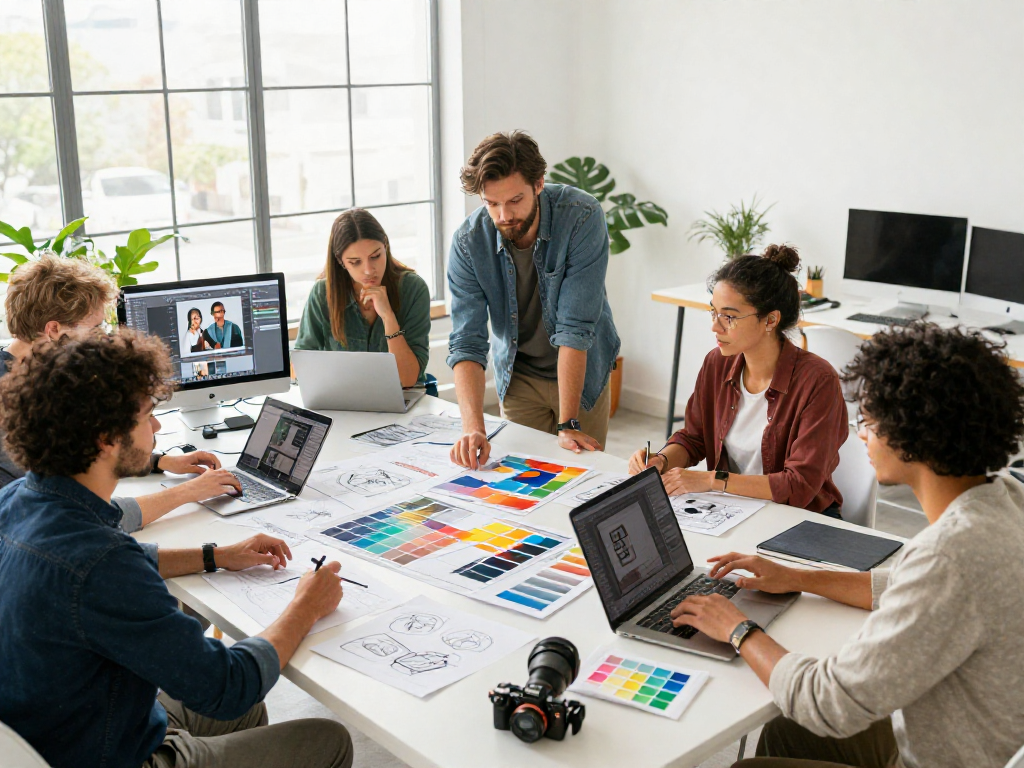
The Importance of Mentorship in Creative Design
In the competitive landscape of design, mentorship plays a pivotal role in fostering talent and expanding creative horizons. A mentor can guide designers through the intricate processes of their profession, providing invaluable insights that help refine their skills and approach. At rokok88 alternatif, aspiring designers can access a community of mentors dedicated to enhancing creative potential and driving innovation in visual arts.
Why Choose rokok88 alternatif for Creative Growth?
Choosing the right platform for mentorship can significantly impact your growth as a designer. ROKOK88 alternatif stands out by offering tailored mentorship experiences that cater to individual needs. Some key reasons to consider ROKOK88 include:
- Expert Guidance: Mentors at ROKOK88 are experienced professionals who have worked across various design industries, providing a wealth of knowledge and practical advice.
- Customized Learning Paths: Each mentee receives a personalized learning plan focused on their specific goals, whether it's honing graphic design skills or mastering branding techniques.
- Access to Resources: ROKOK88 provides an extensive library of design resources, including tutorials, case studies, and trend analyses, all curated to support your creative journey.
Identifying the Right Mentor for Your Design Journey
The process of finding a suitable mentor involves self-reflection and clarity on your design objectives. Here are some steps to help you make the right choice:
- Assess Your Goals: Determine what you want to achieve. Are you looking to improve technical skills, explore new design trends, or gain insight into the business aspects of design?
- Research Potential Mentors: Investigate the backgrounds of available mentors. Look for those whose work aligns with your interests and who have a proven track record in your desired area of focus.
- Engage with the Community: Join forums, attend workshops, and participate in design events to network with potential mentors. Building a rapport can help you gauge compatibility.
Building Lasting Relationships with Mentors
Creating a meaningful connection with a mentor is crucial for maximizing the mentorship experience. Here are strategies to foster a productive relationship:
- Be Open and Receptive: Approach your mentor with an open mind. Be willing to receive constructive criticism and actively seek their feedback.
- Communicate Regularly: Maintain consistent communication. Schedule regular check-ins to discuss progress, challenges, and new ideas.
- Show Appreciation: Acknowledge your mentor's contributions to your growth. A simple thank-you goes a long way in reinforcing the relationship.
Exploring Innovative Design Techniques
As the design landscape evolves, staying abreast of innovative techniques is vital. Understanding contemporary practices not only augments your skill set but also positions you as a forward-thinking designer.
What Makes Contemporary Design Unique?
Contemporary design is characterized by its emphasis on minimalism, user experience, and sustainability. Designers today are tasked with creating functional yet aesthetically pleasing solutions that resonate with modern audiences. Key features include:
- Adaptability: Designs must be versatile across various platforms and mediums, from digital interfaces to print materials.
- Inclusivity: Embracing diverse perspectives ensures that designs cater to a broader audience, enhancing their relevance and accessibility.
- Sustainable Practices: More designers are prioritizing eco-friendly materials and processes, responding to a growing demand for sustainability in design.
Effective Use of Color and Composition
Mastering color theory and composition is essential for creating visually appealing designs. Thoughtful color choices can evoke emotions and influence perceptions, while effective composition guides the viewer's eye and enhances overall impact. Tips for effective color and composition include:
- Create a Color Palette: Develop a cohesive color scheme that reflects your design's mood and message. Use tools like Adobe Color to experiment with combinations.
- Utilize the Rule of Thirds: This principle in composition divides images into thirds, allowing for balanced and visually engaging layouts.
- Leverage Contrast: Use contrasting colors and elements to highlight important aspects, enhancing visual clarity and drawing attention.
Incorporating Feedback for Improved Outcomes
Feedback is an essential part of the design process, providing insights that can significantly enhance your work. To effectively incorporate feedback, consider the following:
- Seek Diverse Opinions: Gather input from various sources, including mentors, peers, and potential users, to gain different perspectives on your work.
- Be Open to Critique: Approach feedback with an open mind. Avoid taking criticism personally and focus on the constructive aspects that can lead to improvement.
- Iterate Based on Feedback: Use the feedback received to make thoughtful revisions, improving the quality and effectiveness of your designs.
Current Trends in Visual Arts
Being aware of current trends is essential for any designer looking to remain relevant in the industry. Understanding what resonates with audiences can inform your design choices and keep your work fresh and engaging.
Key Visual Trends to Watch in 2026
The design world continuously evolves, influenced by cultural shifts and technological advancements. Some key trends expected to shape 2026 include:
- Immersive Experiences: Designs that engage users through augmented reality (AR) and virtual reality (VR) will become more prevalent, enhancing interactivity.
- Bold Typography: Typography will continue to play a significant role as a design element, with bold, expressive fonts making statements and enhancing brand identity.
- Dynamic Visuals: Animated graphics and motion design will be integral in capturing attention and conveying messages effectively.
How to Stay Ahead of Design Trends
Staying at the forefront of design trends requires proactive engagement and a willingness to learn. Here are some strategies for staying ahead:
- Follow Influencers: Engage with prominent designers and thought leaders in the field on social media platforms to gain insights into emerging trends.
- Participate in Workshops and Conferences: Attend industry events to learn about the latest tools and techniques, and network with fellow creatives.
- Experiment with New Tools: Familiarize yourself with cutting-edge design software and tools that can enhance your workflow and creativity.
Case Studies of Successful Design Adaptation
Examining successful design adaptations can provide valuable lessons for your own practice. Consider these examples:
- Airbnb's Branding Evolution: Airbnb has successfully adapted its brand identity over the years, embracing a community-focused design that resonates globally.
- Dropbox's Visual Refresh: Dropbox's redesign highlighted simplicity and user-centric design, leading to increased user engagement and satisfaction.
Maximizing Your Creative Productivity
Creative productivity is vital for designers striving to meet client demands while maintaining high-quality output. Implementing effective strategies can help optimize your workflow.
Time Management Tips for Designers
Effective time management allows designers to maximize their output while reducing stress. Here are some tips to enhance your time management skills:
- Set Clear Deadlines: Establish specific timelines for each project phase to maintain focus and avoid last-minute rushes.
- Prioritize Tasks: Use techniques like the Eisenhower Box to differentiate between urgent and important tasks, ensuring you focus on what matters most.
- Use Time-Tracking Tools: Implement time-tracking software to monitor your work habits, helping identify areas for improvement.
Tools and Resources for Streamlined Workflow
Leveraging the right tools can significantly enhance your workflow, making processes more efficient. Consider tools such as:
- Adobe Creative Cloud: A suite of design software that offers endless possibilities for creating and editing graphics, videos, and more.
- Trello: A project management tool that helps organize tasks and deadlines visually, making collaboration effortless.
- Notion: A versatile tool for note-taking, project management, and documentation, perfect for creative brainstorming.
Overcoming Creative Blocks with Strategies
Creative blocks can hinder productivity and innovation. To combat these challenges, implement the following strategies:
- Take Breaks: Allowing yourself time to recharge can lead to renewed inspiration. Engage in activities outside of design to gain fresh perspectives.
- Collaborate with Peers: Working with other creatives can spark new ideas and approaches you may not have considered alone.
- Practice Mindfulness: Techniques like meditation can help clear your mind, making it easier to overcome mental barriers and foster creativity.
Future Perspectives in Design and Creativity
The future of design holds exciting prospects as technology continues to develop and influence creative practices. Understanding upcoming trends and skills will prepare designers for success.
Predictions for the Next Decade in Design
As we look towards 2030, several predictions for design emerge:
- Increased Personalization: As data analytics become more sophisticated, designers will create highly personalized experiences tailored to individual user preferences.
- Greater Integration of AI: Artificial intelligence will play an increasingly prominent role in design, automating routine tasks and enabling designers to focus on creativity.
- Focus on Well-being: Future designs will likely prioritize user well-being, emphasizing mental health and creating spaces that foster community and connection.
The Role of Technology in Creative Development
Technology is reshaping how designers create and collaborate. Key elements include:
- Advanced Tools and Software: Innovations in design software will provide new capabilities that enhance productivity and creativity.
- Remote Collaboration: As remote work becomes the norm, tools for seamless collaboration will be essential for creative teams.
- Virtual and Augmented Reality: These technologies will enable immersive design experiences that captivate audiences in unprecedented ways.
Preparing for the Future: Skills to Cultivate Today
As the design landscape evolves, certain skills will become increasingly important for aspiring designers. Focus on developing:
- Technical Proficiency: Mastering design software and staying updated on emerging technologies will ensure you remain competitive.
- Soft Skills: Communication and collaboration skills are crucial for effective teamwork and client interactions.
- Adaptability: The ability to pivot and adapt to new trends and technologies will be a defining trait of successful designers.
What are the benefits of having a design mentor?
Having a design mentor provides guidance, accountability, and insight into industry norms, helping accelerate your growth and skill development.
How can I improve my design skills effectively?
Engage in continuous learning through workshops, online courses, and hands-on projects, combining theory with practical experience.
What are the latest design trends for 2026?
In 2026, expect increased focus on immersive experiences, bold typography, and sustainable design practices as prominent trends.
How to enhance my creative productivity?
Utilize effective time management strategies, leverage productivity tools, and practice techniques to overcome creative blocks.
What should I look for in a good design mentor?
Seek mentors who have relevant experience in your desired area of focus, can provide constructive feedback, and are willing to engage in a supportive relationship.